Chandigarh Ends Cash Subsidy for E-Vehicles: What It Means for Buyers
The cash subsidy for electric vehicles in Chandigarh is over. Learn how this affects your plans to buy an EV and what benefits remain.
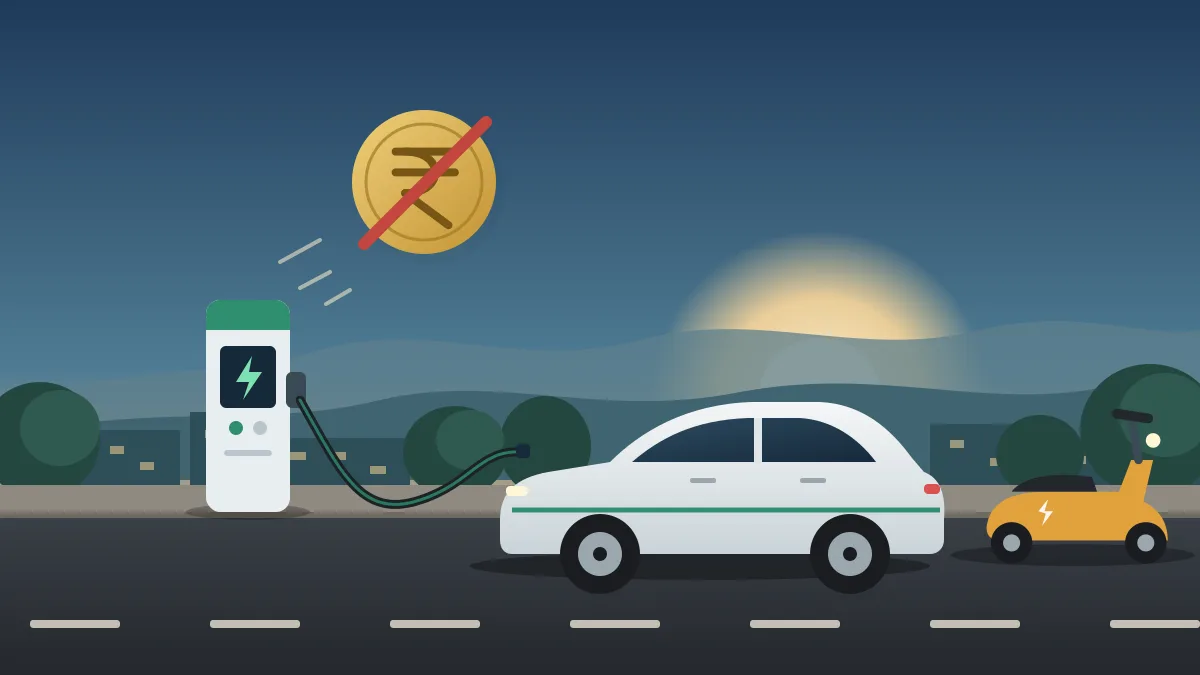
The UT Administration has withdrawn cash incentives under its EV Policy, though free registration and other benefits will stay for now.
If you’ve been planning to buy an electric scooter or car in Chandigarh and counting on a government subsidy to soften the price, it’s time to redo the maths. The Chandigarh Administration has ended the cash subsidy it introduced four years ago to encourage people to switch to electric vehicles. From now on, buyers won’t get any direct financial help from the UT when they purchase an EV.
The change comes through the fourth amendment to the Chandigarh EV Policy, 2022. It doesn’t mean the city has given up on electric mobility. Some benefits remain in place. But the most visible and popular part of the policy, money back in your pocket, is gone.
A quick look back at the scheme
Chandigarh launched its EV Policy in September 2022 with a five-year plan and a clear goal: to raise the share of electric vehicles in the city to 18 per cent. To get people interested, the Administration offered cash incentives linked to the size of a vehicle’s battery.
For electric cars, the first 2,000 privately owned vehicles qualified for Rs 5,000 per kWh of battery capacity, up to a ceiling of Rs 1.5 lakh. In practice, most car buyers could expect somewhere between Rs 1 lakh and Rs 1.5 lakh. Electric two-wheelers got the same per-kWh rate but were capped at Rs 30,000, and even e-cycles were covered, with buyers receiving a quarter of the cost up to Rs 4,000.
For many families, that was a meaningful sum. An electric scooter with a 3 kWh battery, for example, could come with a Rs 15,000 discount, which is enough to tip the decision for someone weighing it against a petrol model.
Car buyers have been waiting for a while already
For people shopping for electric cars, this announcement won’t come as much of a surprise. The quota of 2,000 subsidised cars ran out early last year, and car buyers have gone roughly a year and a half without any cash incentive.
There was a brief moment of hope. On July 31 last year, acting on a recommendation from the UT Electric Vehicle Advisory Committee, the Administration raised the number of eligible electric cars from 2,000 to 3,500. On paper, that opened the door for another 1,500 buyers. However, the proposal was never forwarded to the Ministry of Home Affairs for approval, so the extra slots never became real. Now the cash provision has been taken out of the policy entirely.
Why pull the plug now?
The Administration’s notification doesn’t lay out a detailed explanation, but the reporting points to a few likely factors.
The biggest one is timing. The EV Policy was designed to run for five years and expires next year. Rather than push through a fresh round of spending on a policy that’s nearly at the end of its life, the Administration seems to be leaving the bigger decisions for when it revises the policy. That would explain why the expanded car quota was never sent up for central approval.
There’s also a broader pattern here. Subsidies are usually meant to get a market off the ground, not to prop it up forever. Once people become familiar with a technology, charging options improve and prices start to come down, governments often ease off direct payments. Chandigarh may simply feel the early push has done its job.
And the numbers suggest it did achieve something. Since the policy came into force, nearly 21,000 electric vehicles have been registered in the city. That includes around 7,500 electric two-wheelers and more than 4,000 electric cars.
What stays the same
Not everything is going away. According to a notification from the Department of Science and Technology and Renewable Energy, all incentives other than the cash subsidy will continue until further orders.
The most useful of these is free registration. If you buy an electric vehicle in Chandigarh and register it in the city, you won’t pay registration charges at the Registering and Licensing Authority. On a car, that is still a worthwhile saving.
If you’ve already applied for a subsidy, there’s good news too. Applications that are already pending on the EV portal will still be processed. The new rules apply only to future purchases.
Who feels it most?
The people most affected are likely to be two-wheeler buyers. Electric scooters and bikes are the most common EVs in the city, and they’re often bought by students, young professionals and daily commuters who are watching every rupee. For them, losing up to Rs 30,000 is a real setback, and some may go back to considering petrol models, which are still cheaper upfront.
Car buyers, on the other hand, have already been living without the subsidy for a long time. Anyone who bought an electric car in the last year or so did it without the incentive, which shows that demand at that end of the market doesn’t depend entirely on government money. People buying EV cars tend to be thinking about lower running costs, lower maintenance and the pleasure of skipping the fuel pump.
Dealers may see some slowdown, at least in the short term. Buyers who were sitting on the fence might wait to see whether the revised policy next year brings back incentives in some form. Manufacturers and dealerships could respond with their own discounts or financing offers to keep sales moving, as often happens when government support is pulled back.
The bigger picture
The question now is whether Chandigarh can still hit its target of 18 per cent EV share without cash incentives doing the heavy lifting. Running an electric vehicle remains far cheaper per kilometre than running a petrol one, and that advantage doesn’t disappear with the subsidy. But upfront price is still the first thing most people look at, and that has just gone up.
A lot will depend on what comes next. The EV Policy is due for renewal next year, and that will be the Administration’s chance to rethink its approach. It could shift attention toward things that matter just as much to everyday users, like more public charging points, better support for battery replacement, or incentives aimed at commercial vehicles such as autos and delivery bikes, which cover far more kilometres each day.
The bottom line
Chandigarh’s cash subsidy for EVs has quietly come to an end, after already running dry for car buyers more than a year ago. If you’re planning to buy an electric vehicle, you’ll pay the full price, though free registration still helps a little. For those already in the queue, pending claims will be honoured.
For the city, this feels less like a step back and more like the close of the policy’s first chapter. Over 21,000 EVs are already on its roads. Whether that number keeps growing at the same pace will depend on how the next EV policy is shaped, and residents who care about cleaner, cheaper travel will want to keep an eye on it.
Source: https://www.tribuneindia.com/news/chandigarh/chandigarh-ends-cash-subsidy-for-e-vehicles/
Independent editorial — EV Chandigarh doesn't sell vehicles. We explain the rules and the numbers, then point you to where to buy.
Should You Buy an Electric Scooter During Festival Discounts? Check These 7 Things Before Paying
Learn the key checks before buying an electric scooter during festive season discounts in Chandigarh, Mohali, and Panchkula.
Read →
How to Protect a Low-Speed Electric Scooter from Theft When It Has No Registration Number
Learn how to protect a low-speed electric scooter from theft when it has no registration number. Use locks, GPS, serial numbers, documents, and smart security habits
Read →
What Is a BMS in an Electric Scooter—and Why Is It So Important?
Explore why a Battery Management System (BMS) is key for safety and performance in low-speed scooters across Chandigarh, Mohali, and Panchkula.
Read →