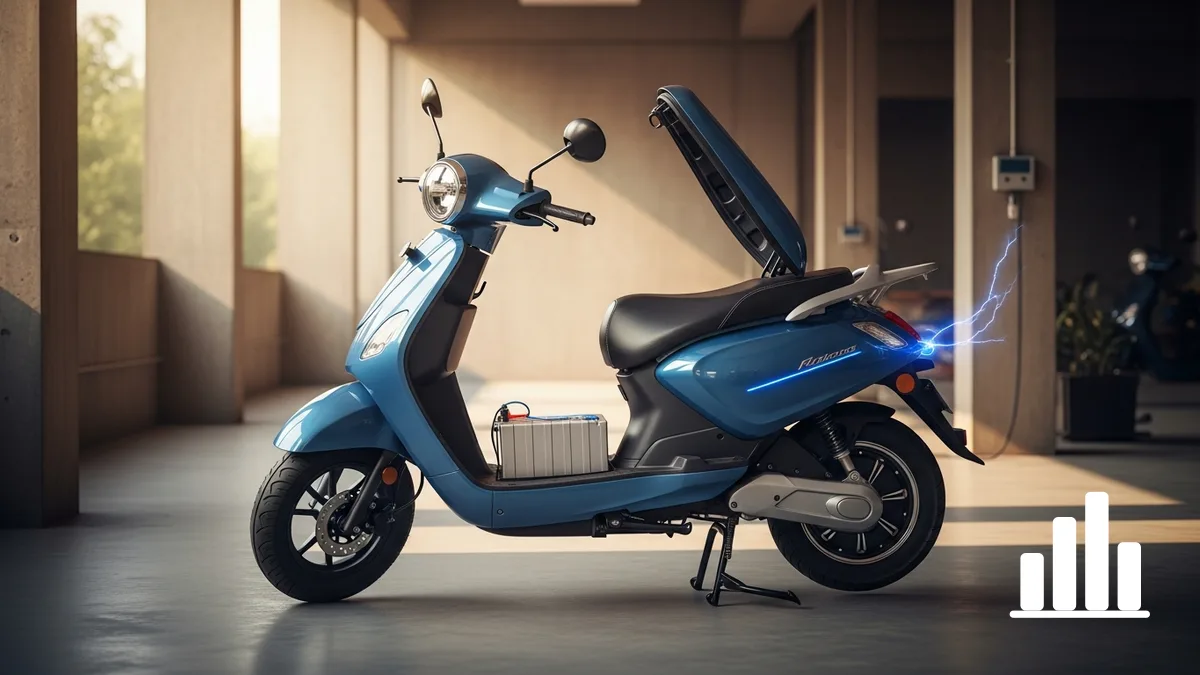
Low-speed electric scooters in the Tricity: a side-by-side on the numbers that matter
Range, charging time, battery and price band across the low-speed (no-licence) class — framed on specs, not sales. Read the table, then read your own commute.
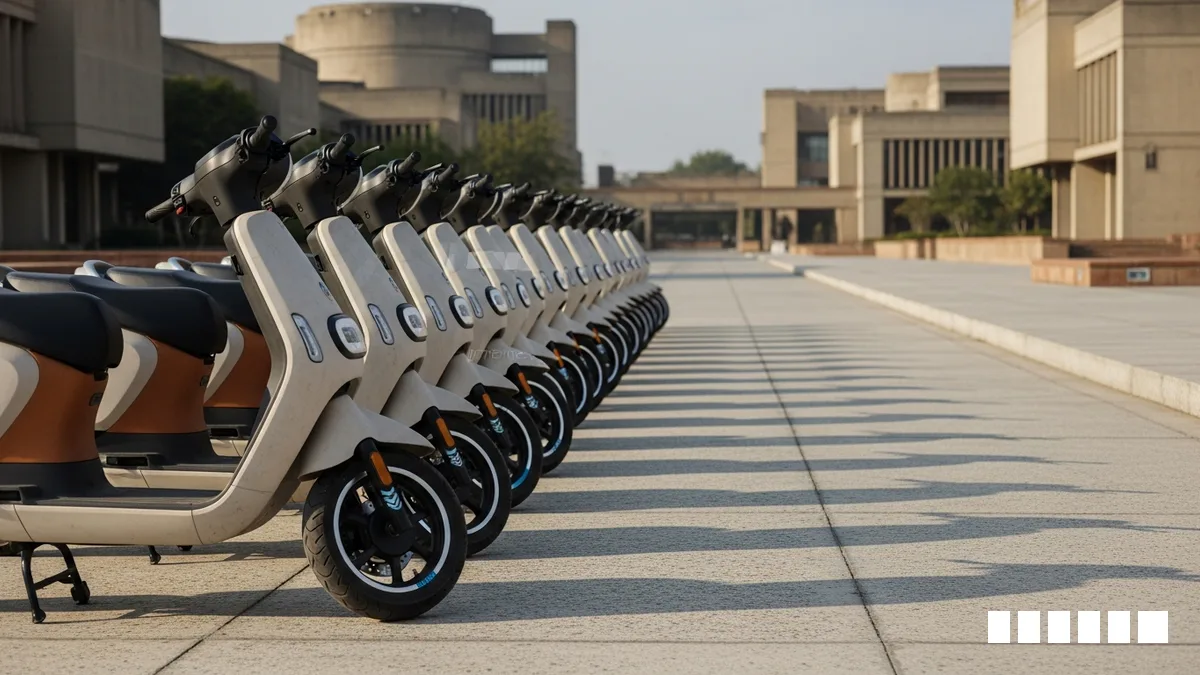
Every scooter in this comparison shares the same legal DNA: a ≤25 km/h top speed and a ≤250W continuous motor, which is what keeps the whole class exempt from a licence, registration and road tax. So the choice between them isn’t about paperwork — it’s about range, price and what you’ll actually do with it.
Below is the spec sheet, side by side. Treat the figures as the manufacturer’s claims; real range depends on rider weight, terrain and battery type, and prices are ex-showroom and vary by variant and state.
What actually separates them
Once licence and speed are off the table, three things do the deciding:
- Range — be honest about your daily distance. For trips under ~40 km a day, the entry models are plenty; if you’re regularly past 60 km, look to a lithium variant and the longer-range models, and pay the difference once.
- Battery type — lead-acid is cheaper up front but heavier and slower to charge (~7–12 hr); lithium-ion is lighter, lasts longer and charges in ~4–5 hr. Over a few years the lithium premium usually pays for itself.
- Use case — a short-hop commuter, a college run and a delivery/cargo workhorse are different jobs. The cheapest scooter that comfortably covers your real distance is almost always the right one.
A note on cost
All of these run at roughly ₹0.17/km on local power — about ₹10 for a ~2-unit full charge at an all-in rate of around ₹5 per unit — so the running cost barely changes between models. Don’t over-index on it when comparing. Where the money actually differs is the up-front price and the battery choice, both in the table above.
This is a category guide, not a sales pitch: we don’t stock or sell any of these. When you’ve narrowed it down on the numbers, take the shortlist to a dealer for a test ride and live pricing.
Sources
- Manufacturer listings (Zelio E-Mobility official + trade listings), verified June 2026. Low-speed class only.
- Running-cost figures: Chandigarh domestic tariff (JERC/CPDL) and Zelio guidance, June 2026.
| Spec class | Entry commuter | Everyday step-through | Long-range / work |
|---|---|---|---|
| Who it suits | Students, short errands, first-time buyers | Homemakers, seniors, daily city commute | Delivery, gig riders, long daily distance |
| Real range | 60–70 km | 70–85 km | 90–110 km |
| Battery | lead-acid or entry lithium | lithium (NMC/LFP) | lithium/LFP, often removable |
| Body | compact step-through | full moped ergonomics | load-friendly |
| Typical price band | ₹35,000–45,000 | ₹45,000–60,000 | ₹60,000–95,000 |
| Examples (across brands) | Komaki X-One, Kinetic Green Zing, Zelio Little Gracy | Hero Electric Flash LX, Deltic Costa, Zelio Gracy i | Deltic Legion, Komaki XGT VP, Zelio Logix |
| Trade-off | Lowest upfront cost; lead-acid variants are cheaper but heavier and shorter-lived than lithium. | Best balance of comfort and range; lithium costs more but lasts longer and weighs less. | Highest range and load capability in-class; removable battery eases charging; top variants approach registered-scooter prices. |
Independent editorial — EV Chandigarh doesn't sell vehicles. We explain the rules and the numbers, then point you to where to buy.