Electric scooter battery safety: the warning signs you should never ignore
Learn the key electric scooter battery warning signs, including overheating, swelling, unusual smells, charging issues, and sudden range drops, before they become serious safety risks.
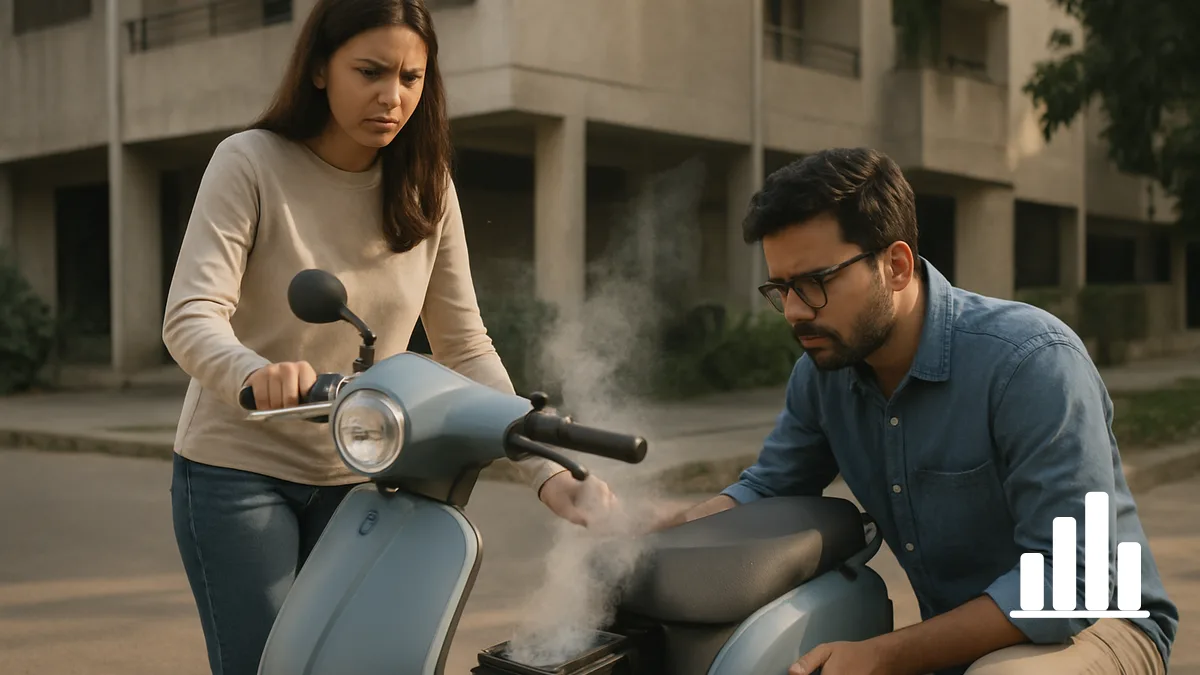
Electric scooters, especially the low-speed variety, have become a popular choice in the Chandigarh Tricity area. These scooters are perfect for cruising through the busy streets of Chandigarh, Mohali, and Panchkula without the hassle of a licence. But with great convenience comes the responsibility of ensuring your electric scooter’s battery is safe and in good condition. Let’s explore the warning signs of battery issues and how to maintain safety.
Why Battery Safety Matters
The battery is the heart of your electric scooter. It provides the power required to get you from point A to point B. However, like any other battery-operated device, it requires attention and care. A malfunctioning battery can lead to performance issues or even accidents. For the safety of all riders in the Tricity, understanding the basics of battery safety is crucial.
Understanding battery safety is more important when you consider the climatic conditions in this region. Chandigarh, Mohali, and Panchkula experience extreme weather variations, from scorching summers to chilly winters, each affecting battery health in different ways. Batteries can become too hot in the summer, increasing the risk of overheating and leading to potential failures, while extremely low temperatures in winter can reduce efficiency and overall performance.
Recognizing Warning Signs
Being proactive is key when it comes to battery safety. Here are some warning signs to keep an eye on:
Unusual Odors
If your scooter emits a strange or foul odor, especially resembling burnt plastic or chemicals, this can be an indication of battery trouble. This smell often suggests overheating, which could lead to more severe problems if not addressed immediately. In the bustling urban environment of the Tricity, where air quality can already be compromised, noticing such odors quickly can save the day.
Battery Swelling or Leaking
A clear signal of battery malfunction is any visible swelling or leakage. A swollen battery increases risk and is prone to failure. Leakage can also cause corrosion and damage to the scooter’s components. These problems are not only hazards to the scooter but also pose environmental risks due to potential chemical spills.
Rapid Decline in Charge
If you notice that your scooter’s battery drains faster than usual, it might be time for a check-up. Typically, reliable low-speed scooters should maintain a decent charge for daily use around the Tricity sectors. A quick drain could signify underlying battery issues. The rated mileage for most low-speed models is between 50-70 km under ideal conditions, translating to around 39-55 km in real-world congestion and temperature.
Excessive Heat
While it’s normal for batteries to warm up during use, particularly during summer rides, excessive heat is a red flag. Overheating may indicate a short circuit or internal battery damage. Always give your battery time to cool down, especially during hot Chandigarh summers. As temperatures often rise above 40 degrees Celsius, failing to manage heat can lead to performance tapering and, in rare cases, thermal runaway.
Practicing Battery Maintenance
To ensure safety and prolong your battery’s life, here are some best practices:
Regular Inspections
Make it a habit to inspect your battery regularly. Check for any physical damage, loose connections, or signs of wear and tear. This simple practice can prevent significant issues down the line. In the Tricity, with its mix of urban and semi-rural roads, routine checks are even more crucial given the variable road conditions that may increase wear.
Proper Charging Techniques
Always use the charger provided by the manufacturer, as it is specifically designed for your scooter’s battery type. Charging your scooter beyond the recommended time or using an incompatible charger can lead to battery damage. Note that the Central Motor Vehicles Rules (CMVR) mandate that batteries must adhere to specific safety standards, including the IEC 62133 certification.
Avoid Extreme Temperatures
The Tricity area experiences both hot summers and cold winters. Avoid leaving your electric scooter in harsh weather conditions. Extreme temperatures can affect the battery’s efficiency and lifespan. When not in use, store your scooter in a sheltered place. Consider using thermal covers or parking in shaded areas whenever possible.
Consult the Experts
If you encounter any of the warning signs or are uncertain about your battery’s health, it’s best to consult a professional. Many service centers in Chandigarh, Mohali, and Panchkula are equipped to handle battery issues and can offer guidance on maintenance. Additionally, the Urban Transport Development and Efficiency Initiative (UTDEI) project encourages local dealers to host battery maintenance workshops.
Maintenance Interval Recommendations
In general, it is recommended that electric scooter users in the area schedule a professional inspection at least once every six months. These checks ensure any wear is promptly addressed and help spot potential issues early, keeping your scooter running efficiently without unexpected breakdowns.
Practical Takeaway List
- Smell Checks: Any unusual or burnt odors? Stop use immediately.
- Visual Inspection: Look for swelling or leaks monthly.
- Charging: Use the right charger, avoid overcharging.
- Heat Management: Allow cooldowns, avoid hot sun exposure.
- Professional Help: Don’t ignore warning signs. Seek expert advice.
Assessing the Local Context for Scooters
Electric scooters provide an eco-friendly and convenient way to navigate the streets of Chandigarh, Mohali, and Panchkula. To ensure safe riding in the region considering local infrastructure, riders might also engage with local community forums that discuss route safety and maintenance tips. By maintaining active participation in these local forums, users can stay updated with potential battery safety advisories and community-sourced tips.
As the EV market expands, electric vehicle initiatives specific to the locale, like JERC’s targets for charging infrastructure, reflect the city’s ongoing commitment to cleaner transport solutions. By 2026, the Tricity aims to have a network of over 100 publicly accessible charging stations, significantly enhancing the convenience and safety for electric scooter users through more reliable and distributed access to charging.
Sources
The Central Motor Vehicles Rules, the Joint Electricity Regulatory Commission (JERC) tariff order, and the Urban Transport Development and Efficiency Initiative (UTDEI) project documents.
Independent editorial — EV Chandigarh doesn't sell vehicles. We explain the rules and the numbers, then point you to where to buy.
Should You Buy an Electric Scooter During Festival Discounts? Check These 7 Things Before Paying
Learn the key checks before buying an electric scooter during festive season discounts in Chandigarh, Mohali, and Panchkula.
Read →
How to Protect a Low-Speed Electric Scooter from Theft When It Has No Registration Number
Learn how to protect a low-speed electric scooter from theft when it has no registration number. Use locks, GPS, serial numbers, documents, and smart security habits
Read →
Chandigarh Ends Cash Subsidy for E-Vehicles: What It Means for Buyers
The cash subsidy for electric vehicles in Chandigarh is over. Learn how this affects your plans to buy an EV and what benefits remain.
Read →