Why Does Electric Scooter Charging Slow Down Near 80–100%?
Discover why electric scooter charging slows down as battery nears full. Learn tips for efficient charging in Chandigarh's climate.
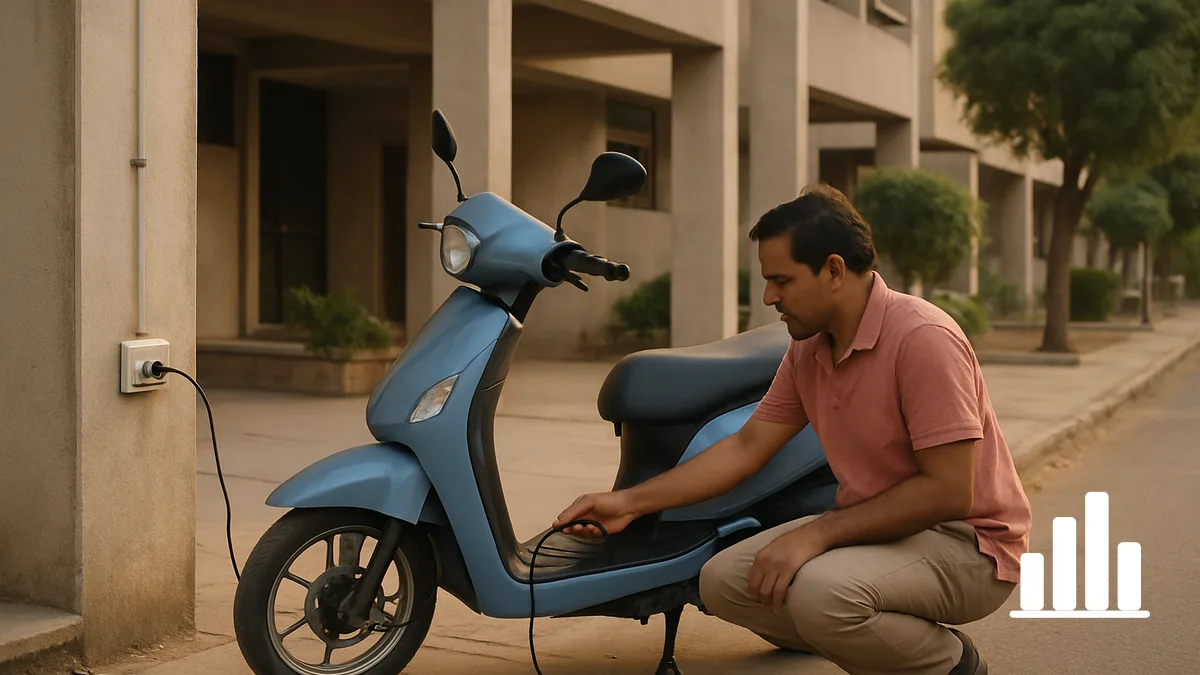
Understanding the Charging Curve
Most low-speed electric scooters, which are license-free and cap at a speed of 25 km/h, operate using lithium-ion batteries. These batteries charge in a pattern that may seem puzzling but is actually perfectly normal.
Initially, when you plug in your e-scooter, it charges quite quickly. You might notice that it reaches 50% or even 60% charge in what feels like no time. However, as the battery level creeps closer to that 80% mark and beyond, the charging speed slows down significantly. What’s going on here?
The answer lies in the battery management system (BMS). A BMS controls the charging to prevent the battery from overheating and to prolong its life. Charging is fast up to a point because the battery can safely accept a lot of energy quickly. But near 80%, the BMS tells the charger to slow down to avoid overcharging, which can degrade the battery over time.
The Tricity’s Unique Environment
In the Tricity, the weather varies from hot summers to mild winters, and this can impact your e-scooter’s charging behavior. Heat, in particular, can be a battery’s worst enemy. When temperatures soar in the summer, you might notice your e-scooter taking even longer to charge or your battery draining faster than expected.
Chandigarh, known for its planned layout and extensive green spaces, sees summer temperatures often reaching 40°C. Mohali and Panchkula experience similar conditions. This heat directly affects the chemical reactions in lithium-ion batteries, leading to inefficiency and extended charging times.
Parking in the shade or a garage when possible and charging at cooler times of the day can help mitigate these effects. If you find your scooter frequently overheating, consider investing in a battery cooling pad, which can improve charging efficiency during hot months.
Charging Habits Matter
How you charge your electric scooter can also affect the time it takes to reach 100%. It’s a good practice not to let your battery drop to zero too often. Always topping up can reduce the strain on the battery and keep it healthy in the long run. On the flip side, charging to 100% is not always necessary for daily use unless you plan a long ride across the Tricity.
Many users find that keeping the battery level between 20% and 80% is the sweet spot for efficiency and longevity. This way, you’ll also save some time since you won’t be waiting for additional hours to get that last 20%.
For those commuting within sectors or making short trips to the local market, maintaining this charge range is not only practical but also time-efficient, allowing for quicker turnover between rides.
Understanding Local Electricity Tariffs
Charging your scooter comes with its share of costs, especially with rising electricity tariffs. Knowing how these costs interact with your e-scooter usage can impact your monthly expenses. The Joint Electricity Regulatory Commission (JERC) governs the tariffs for Chandigarh, which are known to be relatively stable but can impact overall operating costs for scooter owners over time.
Planning your charges during off-peak hours could save a bit more if time-of-day metering is available in your area.
Practical Takeaways
Here’s how you can optimize your e-scooter charging habits given these insights:
- Charge in Cool Conditions: If possible, charge your e-moped when it’s cooler or use an indoor charging option.
- Avoid Zero: Don’t let your battery drain completely if you can help it. Try to plug in when it hits around 20%.
- 80% Rule: For typical daily rides around Chandigarh, Mohali, and Panchkula, consider charging up to 80% instead of a full charge.
- Check Battery Health: Regular checks can prevent degradation and keep your scooter running effectively.
- Stay Updated: Battery technology is constantly improving. Keep an eye out for updates or tips specific to your e-moped class.
- Monitor Tariff Adjustments: Stay informed about any changes in local electricity tariffs which might affect charging costs.
E-Scooter Battery Technology in the Tricity Context
Battery technology is rapidly evolving to offer better efficiency and sustainability. Current low-speed e-scooters in the Tricity typically rely on lithium-ion batteries, favored for their high energy density and reduced weight compared to traditional lead-acid batteries.
However, it’s essential to be mindful of the environmental conditions unique to the region. The monsoon season, with its high humidity, can also affect battery performance. Keeping the electrical components dry and ensuring your garage or parking facility is well-ventilated will prevent moisture-related issues.
Emerging battery technologies, such as solid-state batteries and improved battery management systems, could soon alter how we view EV charging. These advancements promise faster charging times and improved safety features, presenting a future where charging slowdowns might become a concern of the past.
What This Means for Everyday City Commutes
For people commuting across Chandigarh, Mohali, and Panchkula, efficient charging habits can make daily electric scooter use more convenient and predictable. Typical urban trips are often short, which makes electric scooters well suited for regular office, college, shopping, and neighbourhood travel. Understanding how charging slows near 80–100% can also help riders plan charging time better instead of waiting unnecessarily for the final few percent.
By understanding how local weather impacts charging, residents can optimize their routine commutes. Embracing practices like partial charging and timing your charges during cooler parts of the day can translate into gaining more usage efficiency from your scooter. Consistently checking the battery’s health and occasional professional maintenance will ensure that your e-scooter remains a reliable companion on Chandigarh’s vibrant roads.
The perspective here not only saves energy but also supports a more sustainable lifestyle, aligning with Chandigarh’s overall goals towards smart urban living.
Sources
- Central Motor Vehicles Rules
- JERC tariff order
- Local climate reports
- Manufacturer spec sheets on common low-speed e-scooter models
Independent editorial — EV Chandigarh doesn't sell vehicles. We explain the rules and the numbers, then point you to where to buy.
Should You Buy an Electric Scooter During Festival Discounts? Check These 7 Things Before Paying
Learn the key checks before buying an electric scooter during festive season discounts in Chandigarh, Mohali, and Panchkula.
Read →
How to Protect a Low-Speed Electric Scooter from Theft When It Has No Registration Number
Learn how to protect a low-speed electric scooter from theft when it has no registration number. Use locks, GPS, serial numbers, documents, and smart security habits
Read →
Chandigarh Ends Cash Subsidy for E-Vehicles: What It Means for Buyers
The cash subsidy for electric vehicles in Chandigarh is over. Learn how this affects your plans to buy an EV and what benefits remain.
Read →